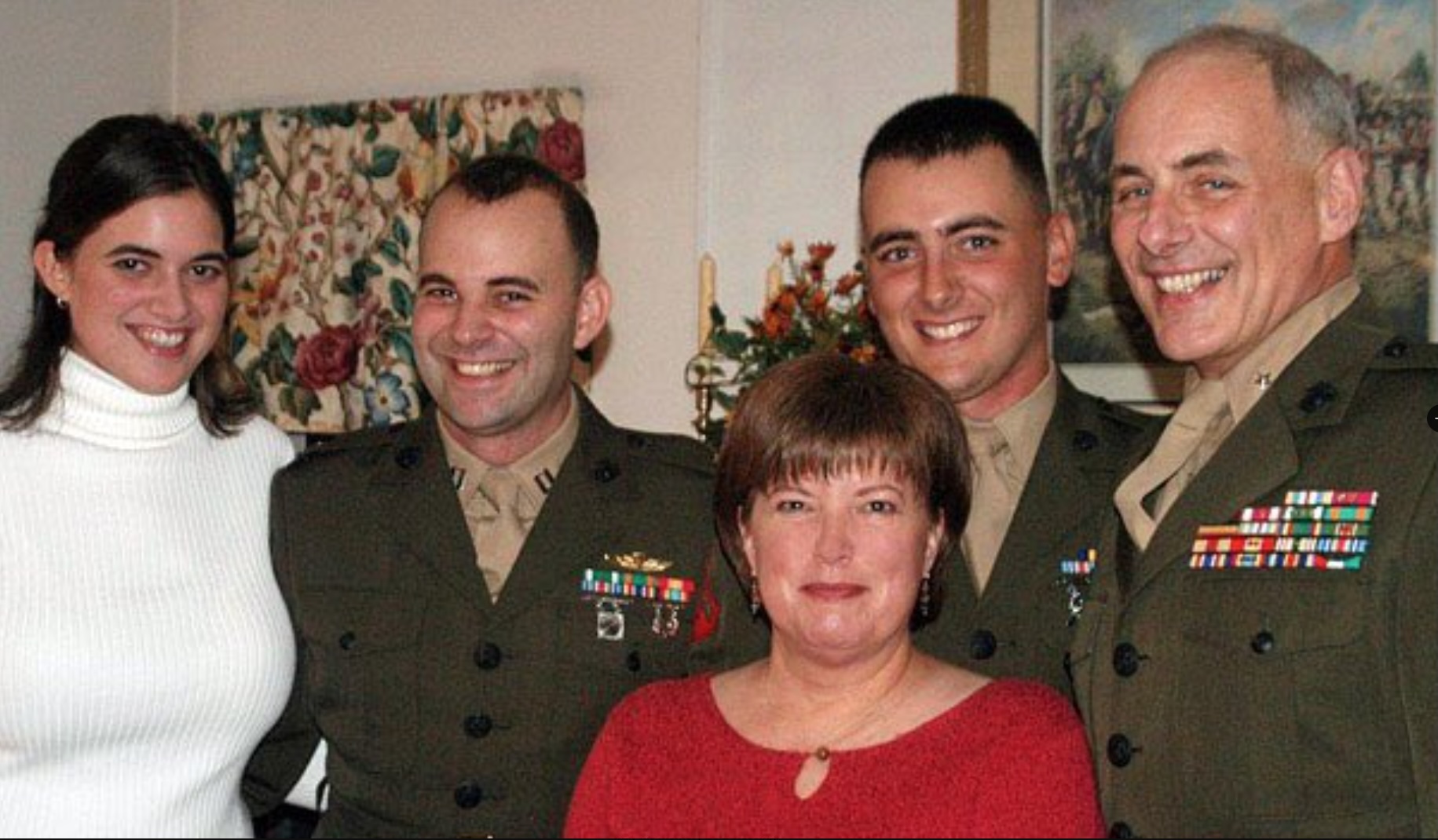
Then-Lt. Gen. John F. Kelly (far right) and his sons Robert (right) and John Kelly.
In 1969, Creedence Clearwater Revival released Fortunate Son, a song that captured the frustration of an entire generation sent to fight in Vietnam while the privileged stayed home. It was an anthem for the rank and file — the ones without a silver spoon, the ones whose last names didn’t open doors in Washington.
“It ain’t me, it ain’t me, I ain’t no senator’s son.”
The message hit home then, and it still does now. When America went to war again in Iraq and Afghanistan, the same truth carried over. Not a single U.S. senator — not one — lost a child to those wars. Plenty of their sons and daughters wore uniforms, yes, but they came home. The burden of death, as always, fell on the same 1% of American families who keep this country’s wars fought and its flag defended.
But there was one exception — and he didn’t come from Capitol Hill. He came from the ranks of the Marines.
The General’s Son
First Lieutenant Robert M. Kelly wasn’t born into comfort and kept away from danger. He chased it. The son of Marine Lt. Gen. John F. Kelly — a man who would later serve as Secretary of Homeland Security and White House Chief of Staff — Rob could’ve taken an easier route. He had every reason to ride his father’s name into a safe billet somewhere behind the wire. But instead, he chose the hard path — to earn his place among Marines, not inherit it.
After graduating from Florida State University with a degree in history, Kelly enlisted in 2003. By the following year, he was with 1st Battalion, 8th Marines, carrying a rocket launcher through the burning streets of Fallujah. That fight — the Second Battle of Fallujah in November 2004 — was some of the bloodiest urban combat the Marines had seen since Hue City in Vietnam. Kelly was in the thick of it. House to house, block to block, in a city so devastated that even veterans of Ramadi called it hell on earth.
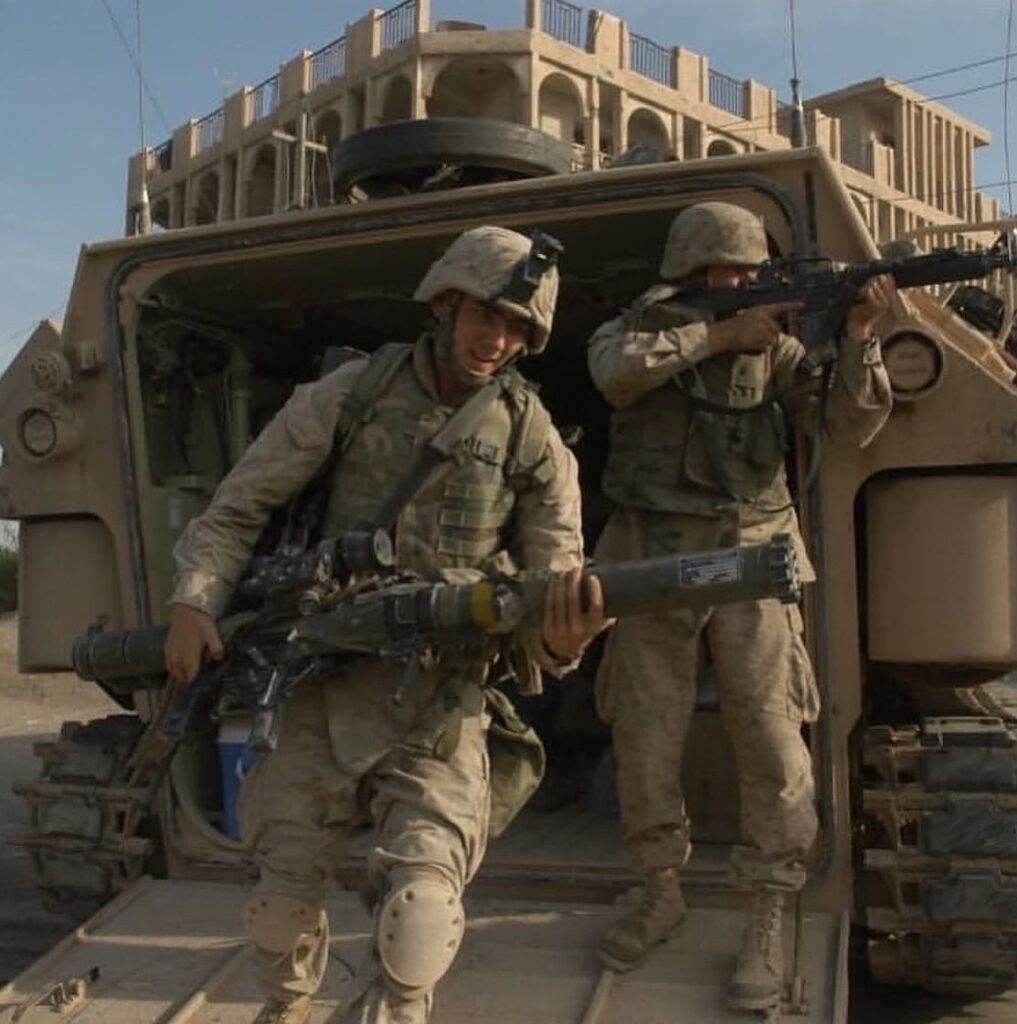
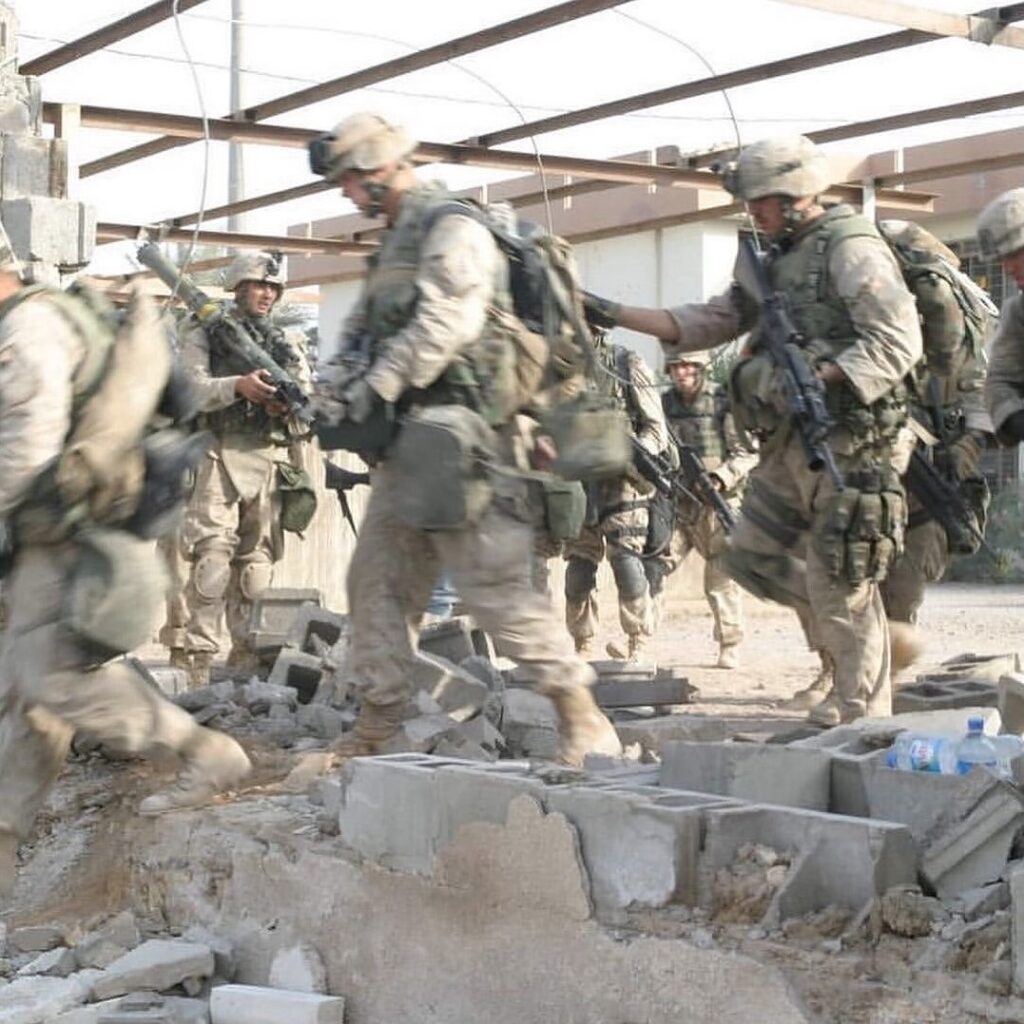
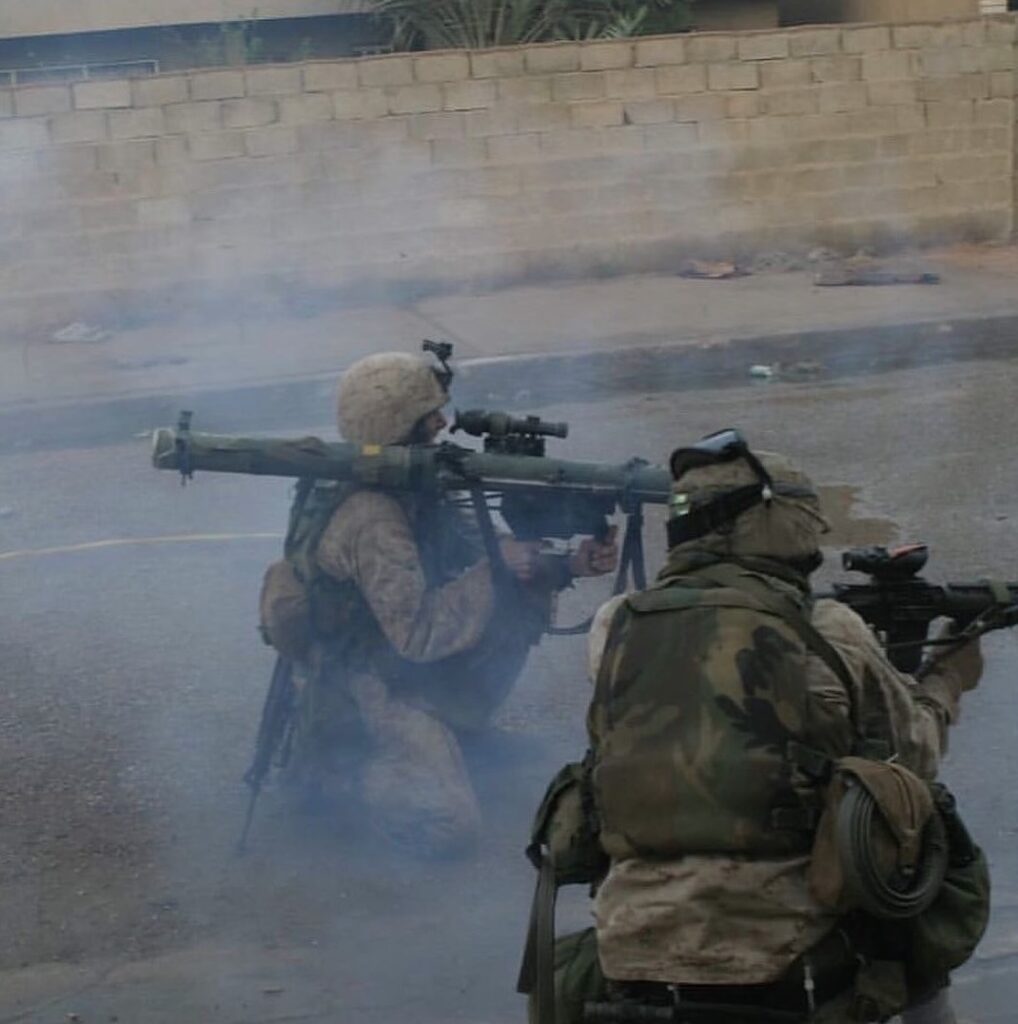
He returned to Iraq again in 2006 for another tour, serving as an assaultman during the height of the insurgency. Between deployments, he trained the next generation of Marines as a combat instructor, earning a reputation for toughness and humor in equal measure. He could push a Marine past his limit and still crack a joke that made them laugh through the pain. That’s the kind of leadership that can’t be taught in a classroom.
But Kelly wasn’t done. In 2008, he earned his commission and went right back to the line — now as a platoon commander with Lima Company, 3rd Battalion, 5th Marines. That unit would later be remembered for one of the hardest deployments of the entire war — Sangin, Afghanistan.
When the Marines took over Sangin in 2010, they inherited a district known for killing British soldiers at an alarming rate. The Taliban had the area wired with hundreds of buried IEDs. Every step outside the wire could be your last. In just the first five weeks of their deployment, 3/5 lost fifteen Marines — including Lt. Kelly.
On November 9, 2010, while leading his platoon on a dismounted patrol through that unforgiving terrain, 2nd Lt. (posthumously promoted to 1st Lt.) Kelly stepped on an improvised explosive device. The blast killed him instantly. He was twenty-nine years old — a seasoned combat veteran by any standard, with three deployments under his belt and the respect of every Marine who followed him into the fight.
“He Went Quickly — and Thank God He Did Not Suffer”
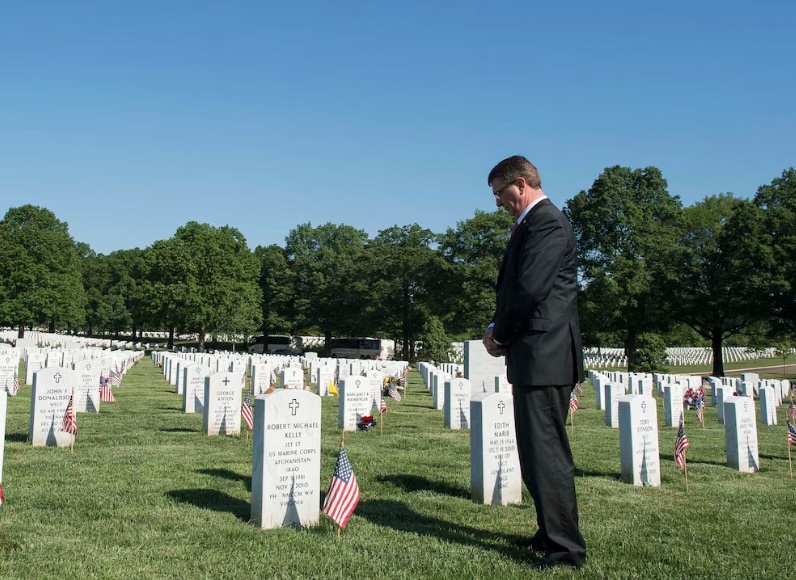
Speaking at his son’s funeral at Fort Myer Memorial Chapel on November 22, 2010, Gen. John Kelly addressed a room filled with Marines, family, and friends. The ceremony overlooked Arlington National Cemetery, where his son would soon be buried among the fallen of Iraq and Afghanistan.
Kelly made it clear he wasn’t there to eulogize only his son. Instead, he spoke of all who had stepped forward after 9/11 to fight in America’s longest wars. “An enemy that is as savage as any that ever walked the earth,” he said, describing the men his son led and the ones still in the fight. He asked mourners not to dwell on Robert’s death but to pray for his Marines still in contact — “still in harm’s way, and at greater risk without his steady leadership.” (Los Angeles Times, Nov. 22, 2010, Tony Perry).
At Arlington, the flag was folded and handed to Rob’s widow, Heather, as Marines stood in silent formation. The moment echoed what the song Fortunate Son was about — the gap between the few who fight and the many who don’t. Except this time, it wasn’t a senator’s son avoiding the fight. It was a general’s son leading it.
Three years later, on Memorial Day 2013, Gen. John F. Kelly stood before the Marines of the 5th Regiment at Camp San Mateo to honor the fallen — including his own son. In his remarks, you can hear the weight of that loss in his voice as he speaks to Gold Star families from firsthand experience. It’s not the speech of a four-star general; it’s the voice of a father who knows exactly what those names carved into stone mean.
The 1%
When Secretary of Defense Robert Gates said only about one percent of American families serve in the nation’s wars, he wasn’t exaggerating. The Kellys were part of that one percent — a family that’s given more than most could imagine. Rob’s brother, also a Marine, served two combat tours in Iraq. His father spent years in Fallujah and Ramadi leading Marines in brutal close combat.
And yet, even among that one percent, Rob’s death was rare. He was one of the very few children of a general officer to die in Iraq or Afghanistan. His story isn’t about privilege, politics, or pedigree. It’s about service — real service — and the kind of quiet courage that transcends last names.
Ain’t No Fortunate One
Fortunate Son might’ve been written for a different war, but its spirit remains. The kids of the powerful may wave the flag, but it’s still the kids from small towns, the factory workers’ sons, and the ones who joined for college money or a sense of purpose who carry it into battle.
Lt. Robert Kelly wasn’t a senator’s son. But he proved that even those born into the highest ranks of the military aren’t immune from sacrifice. He fought, he led, and he died with his men.
He wasn’t a “fortunate one.”
He was one of our own.
© 2025 The Salty Soldier. All rights reserved.
Reproduction without written consent is strictly prohibited.